

The Integrated Masculine… Mindset?
Think about a time in your life when you faced a significant challenge. How did your mindset influence the way you approached and overcame that challenge?
Mindset directly influences how we perceive challenges—it’s not just about “what” we face, but how we face it.
Whether we realise it or not, our mindset influences nearly every decision we make, from how we approach challenges to how we measure success.
In this entry, I’ll explore why I believe mindset is one of the most powerful tools for achieving success in life, work, and personal growth. I’ll also share how my mindset has shaped my journey so far, including the ups and downs.
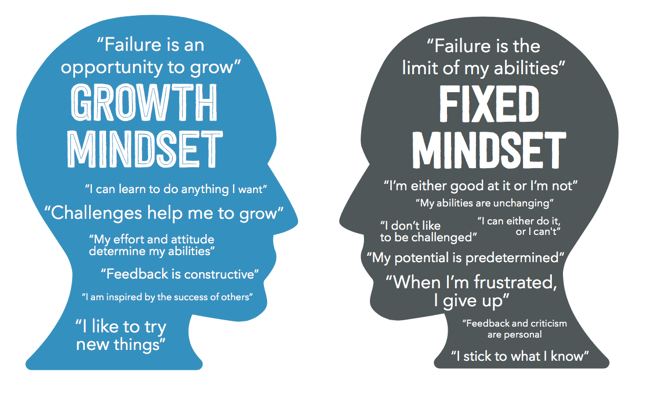
Defining mindset: Fixed vs Growth
Let’s start with a quick overview of what mindset actually is. Mindset refers to the established set of attitudes or beliefs that a person holds. It defines how you perceive and respond to various situations, influencing your behaviours, decision-making, and overall approach to life. Although there are many different types of mindsets, the two main ones we will be diving into today are:
Fixed Mindset: When a person believes that abilities and intelligence are static and unchangeable. People with a fixed mindset are more inclined to avoid challenges and give up easily when faced with obstacles.
“I’m just not good at math, and I never will be“
Growth Mindset: When a person believes that abilities and intelligence can be developed through effort, learning, and perseverance. People with a growth mindset are more likely to embrace challenges and persist despite setbacks.
“I find math challenging, but with practice and help, I can get better at it“
Understanding your mindset can help you make conscious changes to improve your personal and professional life.
The Goggins mindset
I’ve been a David Goggins fan for quite some time now. I’ve read his books, and attended seminars that brought him out to my country. I was even lucky enough to score a crisp dap with the man himself at the last event I saw him at (still haven’t washed that hand..).
What stands out to me most about Goggins is not just his ability to push through extreme physical pain, but his ability to turn mental obstacles into opportunities for growth. It’s not just about toughness—it’s about using discomfort as a tool to reshape your mind.
“You are in danger of living a life so comfortable and soft that you will die without ever realising your true potential” – David Goggins
Some seem to misconstrue the message that Goggins sends out in his books as purely motivational, and don’t get me wrong, his stories are definitely motivational! But the real message he sends out is the importance of mental resilience. Resilience isn’t just about enduring hardship—it’s about using those hardships as stepping stones toward greater strength and adaptability in life.
Goggins introduces the readers to strategies and principles that helped him develop an unbreakable mindset, encouraging you to confront your own limitations and thereby build mental toughness.
What really draws readers into his stories is his ability to apply mental toughness not just in extreme situations but in everyday life. I’ve personally found that his approach has helped me challenge myself mentally and physically. This mental toughness allows me to reframe something as simple as my daily routine.
“I have to go to bed early so I can get up at 3am and go to the gym before work“
“I choose to go to bed earlier and get up at 3am to train because I know this routine and discipline sets me up for success“
I start my day by doing something for myself before going to work and helping others. Furthermore, I don’t just show up—I push myself to be faster, stronger, and better every day. I chase that 1% improvement daily because, over time, those 1% gains add up. The unbreakable mindset Goggins has gifted me drives this motivation every day.
“The only thing more contagious than a good attitude is a bad one” – also David Goggins
A growth-orientated mindset isn’t just about personal challenges—it’s also about how we lead and influence others.
In my leadership journey, I’ve encountered individuals whose mindsets have shaped their performance in profound ways. While it might be easy to say that leading people with positive growth-oriented mindsets is pleasing, it would promote no growth to myself as a leader to be without challenge.
I currently have an individual indirectly in my team that I am working with weekly in this space. This individual has technically one of the greatest minds I’ve ever come across; his ability to learn, store and recall the most incredibly specific and exact information is unparalleled. The issue arises when this individual, knowing their worth, develops a massive sense of entitlement about the rewards, recognition, and progression they should be receiving. At the same time, they are so scared to take risks or go for opportunities that they see come up. This creates a cycle where the individual sees an opportunity, doesn’t go for it, misses out, and then becomes bitter, thinking it should’ve been given to them. They then spread negativity, promoting a negative workplace culture.
Some of the coaching conversations I have with this team member are about positive reinforcement, while others focus on how our company values and policies align with fostering a positive workplace culture. It’s a slow process—you can’t change someone’s mindset for them, and helping them to change it doesn’t happen overnight. I see endless potential in their growth and future, but the thing that is holding them back is an unbridled fixed mindset. It’s my responsibility as a leader to do my due diligence to help all of my team members grow and develop in their individual journeys.
Another team member I had early on in my journey also had this same boundary. Through encouragement over time, I continued to focus on small wins, which built confidence. They started to embrace challenges and grow, and now, years later, this individual ended up taking on a leadership role themselves and continues to flourish with a changed mindset!
It’s not all bad though
While a growth mindset is often linked to the path of success, it’s important to acknowledge that there are times when a fixed mindset can actually be beneficial.
People with a fixed mindset may be able to provide more stability and consistency in their work and personal lives. They often stick to what they know works, and that can be beneficial in certain roles or relationships that require reliability. Along with this is an aversion to risk-taking. A person with a fixed mindset can lead to a conservative approach that minimises losses in both professional and personal circumstances.
A fixed mindset can lead to deep expertise in specific areas. By focusing on their strengths and honing their knowledge in their particular field, these individuals can become highly proficient and knowledgeable. This focus can lead individuals to excel in their chosen fields without being distracted by areas where they might not perform as well.
While the benefits of cultivating a growth mindset are unquestionable, understanding that both mindsets have potential advantages allows us to have a more balanced perspective. It teaches us that there are times when we can leverage both types of mindsets.
The foundations of mindset
Before we can attempt to shift our own mindset, we first need to understand the key contributing factors that influence it:
Beliefs and Attitudes: These are the core of your mindset. They shape how you perceive yourself and the world around you. Positive beliefs and attitudes can lead to a growth mindset, while negative ones can foster a fixed mindset. Beliefs are often formed in early childhood, but that doesn’t mean we can’t grow and change in adulthood.
Self-Awareness: How well do you know your own thoughts and emotions? Understanding your thoughts, emotions, and behaviours is crucial. Self-awareness allows you to recognise patterns and make conscious changes to improve your mindset.
Resilience: How do you recover from challenges? The ability to bounce back from setbacks and challenges is a fundamental aspect of a strong mindset. Resilience helps you stay motivated and persistent in the face of difficulties.
Openness to Learning: How often do you go outside your comfort zone? A willingness to learn and adapt is essential. This includes being open to new experiences, feedback, and continuous self-improvement.
Goal Setting: Do you set New Years Resolutions? Having clear, achievable goals provides direction and purpose. It helps you stay focused and motivated, contributing to a positive and proactive mindset.
Positive Thinking: Is your glass half-full or half-empty? Cultivating a habit of positive thinking can significantly impact your mindset. It involves focusing on solutions rather than problems and maintaining an optimistic outlook.
Mindfulness and Reflection: How often (if at all) do you take time to reflect on your day? Practicing mindfulness and reflecting on your day helps you stay present, make thoughtful decisions, and grow in your mindset. Personally, this has been a big focus for me over the past few months, and I have felt it’s impact. This blog is a manifestation of this practice!
Now that we understand the factors that influence one’s mindset, let delve into what we can do to transform it.
Time to level up your mindset
Cultivating a growth mindset involves several strategies and practices. Here are some practical steps you can take to develop your own growth mindset:
Embrace Challenges: View challenges as opportunities to learn and grow rather than obstacles. This helps build resilience and adaptability. This is where Goggins starts by saying “Get comfortable being uncomfortable“. If you are showing up in the gym every day but you aren’t trying anything new, aren’t trying to lift heavier weights, or aren’t trying to run faster or further, then you are not challenging yourself.
Learn from Criticism: Instead of taking criticism personally, use it as constructive feedback to improve. This can help you see areas where you can grow. Seek feedback from others where possible—don’t wait for it to come to you!
Celebrate Effort, Not Just Results: Focus on the effort you put into tasks rather than just the outcomes. This encourages persistence and a love for learning. Next time you complete a task, take a moment to acknowledge the effort you put in, regardless out of the outcome! Did you cut the grass, but ran out of time to weed the gardens? You still got that grass cut! Go you!
Persist in the Face of Setbacks: Understand that setbacks are a natural part of the learning process. Use them as learning experiences to improve and move forward. The next time you face a setback—take a moment to sit with it, and question what the lesson you learned from the setback was!
Seek Inspiration from Others: Look at the success stories of others as sources of inspiration rather than comparison. Learn from their journeys and apply those lessons to your own life. I might be biased in this one, but you should definitely read (or listen to) Can’t Hurt Me!
Cultivate Curiosity: Stay curious and open to new experiences and knowledge. This helps you continuously expand your skills and understanding. Challenge yourself to learn something new this week. It doesn’t have to be mastering an instrument you’ve never played. It can be as simple as a new meditation or breathing technique, or perhaps trying a new exercise at the gym!
Practice Self-Compassion: Be kind to yourself when you make mistakes. Recognise that everyone has areas to improve and that growth is a continuous process. The next time you make a mistake, take a moment to write down one positive thing you learned from the experience and how it can help you grow.
Set Learning Goals: Instead of focusing solely on performance goals, set goals that emphasise learning and development. This shifts your focus to the process of growth. Set a specific learning goal for yourself each week. It might be reading a book on a topic unfamiliar to you. It might even be committing to reading this blog each week (wow—what a great idea!).
Implementing these strategies can help you develop a growth mindset, leading to greater resilience, adaptability, and overall well-being. I don’t recommend trying to do them all at once, start small, and build on it from there. Evolving your mindset is a continuous journey of growth.
My mindset
Looking back at my own evolution, it’s clear that I’ve moved from a fixed mindset in my younger years to embracing a growth mindset in my career and personal life. It’s been a process of learning to adapt, just as I’ve learned to adapt my approach to leadership and relationships.
Over time I’ve taken inspiration from some well-known public figures. One of those public figures is the footballer Cristiano Ronaldo. From when this entry gets published, he will be turning forty years old in two days’ time. The fact that this man is not just playing football at an elite level at this age, but is arguably fitter, faster, and more disciplined than most professional footballers ten years younger than him, speaks volumes to his mindset.
Ronaldo has said that even when he was younger, talent will only get you so far. His emphasis on waking up every day with the mindset to be at an elite level, a clear vision and goals on how to get there, and then following through with a strong work ethic, both mentally and physically, has been crucial to his continued success in his profession.
While taking the aforementioned mindsets into most aspects of my own life has worked well for me, there are areas where a different approach is required, such as parenting or relationships—where compassion is more useful than accountability. This adaptability is something I am personally working on, and with a growth mindset, I know I can continue to improve in these areas.
You don’t have to be great to start, but you have to start to be great
Mindset is more than just an abstract concept—it’s a powerful tool that influences every part of our lives. By embracing both fixed and growth mindsets when appropriate, we can unlock our true potential. If you’re ready to shift your mindset, I challenge you to take the first step today.
Seek that feedback. Set that goal. Read that book. Celebrate that win. Reflect on that lesson. Everyone starts somewhere. So where will you start?
Thank you so much for taking the time to read this entry of The Integrated Masculine Man. If you found this entry insightful, or if you think someone you know might benefit from reading this—I encourage you to share it, like it, or leave your own thoughts. I’m always open to feedback, and an opportunity to learn!
-TIMM
 The Integrated Masculine
Leave a comment