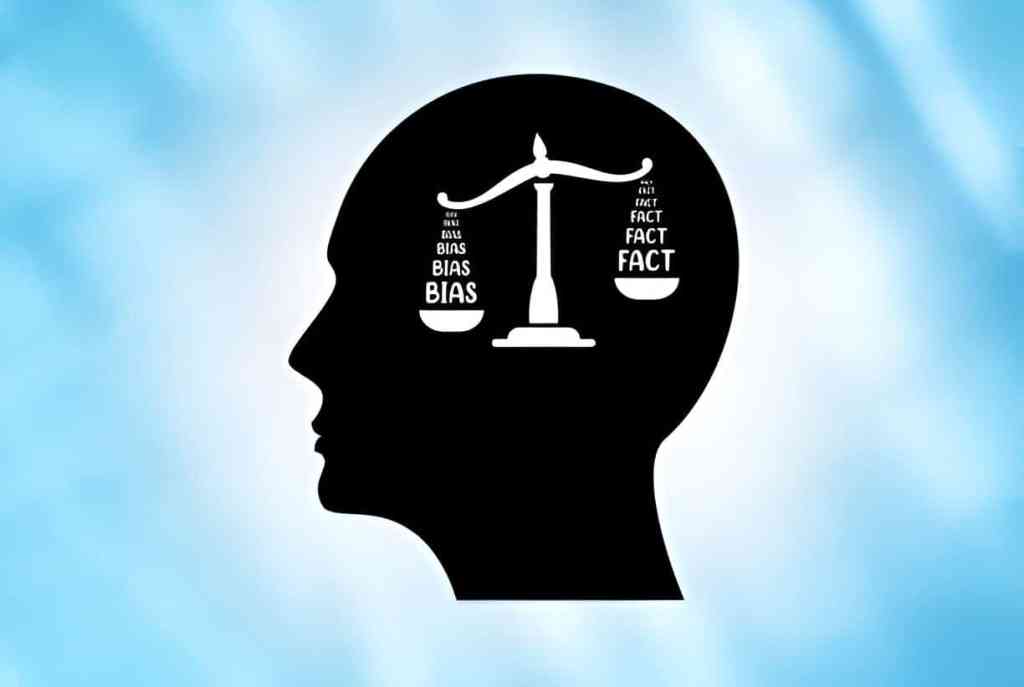
How aware of your biases are you?
Welcome to another entry of The Integrated Masculine Man!
A recent conversation with a friend made me realise how unconscious bias plays into everyday interactions—including in this blog. So, I wanted to explore the different types of bias and how we can challenge them.
One of my all-time favourite TED Talks is “How to Outsmart Your Own Unconscious Bias” by Valerie Alexander—an expert on happiness, inclusion, and the advancement of women. In her talk, Valerie dives into the subtle ways our brains influence our decisions without us realising it. She explains that unconscious biases act as mental shortcuts, leading us to make judgments about people based on race, gender, or other characteristics. She also shares practical strategies for recognising and counteracting these biases, encouraging greater awareness and intentionality in our thoughts and actions.
I’ll share the video at the end of this entry for those interested to watch it.
So what is unconscious bias?
Unconscious bias, also known as implicit bias, refers to the automatic attitudes or stereotypes that affect our understanding, actions, and decisions—without conscious awareness. These biases stem from our upbringing, cultural influences, and personal experiences, shaping how we perceive and interact with others.
Unconscious bias also plays a role in how we engage with people. Think about your inner circle—your closest friends and family. When they speak, you likely give them your full attention, whether they’re talking about the price of bread or the latest reality TV drama. Now, contrast that with a conversation with an acquaintance or coworker. Do you ever catch yourself tuning out or daydreaming? Is it because what they’re saying is uninteresting, or is an unconscious bias at play—perhaps a belief that they don’t add significant value to your life?
For me personally, even something as simple as receiving some constructive feedback or praise on a blog post I’ve written means significantly more than receiving the same from a reader who I don’t know personally. All is taken in good nature, but the unconscious bias is considerably greater with the latter.
Types of unconscious bias
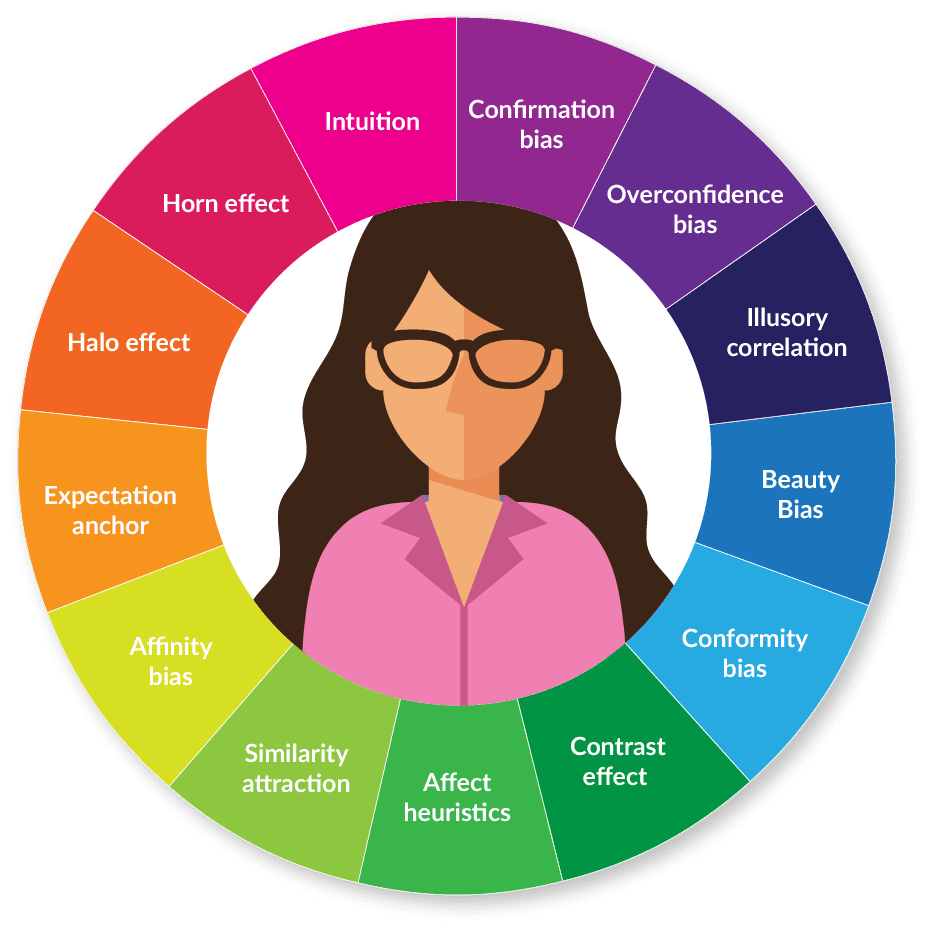
We all have biases, but they don’t always look the way we expect. Here are a few common types, along with relatable examples:
Cognitive bias: Our brains look for patterns, even when they aren’t there. Have you ever felt like every red light turns against you when you’re running late? That’s cognitive bias at play—your brain selectively notices the delays but forgets when you breeze through intersections.
Implicit bias: We subconsciously associate certain traits with different groups of people. Ever assumed a male nurse was actually a doctor? Or thought a woman in a meeting was there to take notes? That’s implicit bias shaping snap judgments.
Social bias: This bias affects how we treat people based on social categories like race, gender, or class. Ever felt a little more comfortable chatting with someone who shares your background? Or unconsciously hesitated before engaging with someone from a different culture? Social bias can subtly guide our interactions.
Stereotypes: These are oversimplified beliefs about a group. A classic example is assuming all teenagers are glued to their phones 24/7—when in reality, plenty of adults are just as bad!
Heuristics: Mental shortcuts help us make quick decisions, but they can lead to flawed judgments. Ever picked a restaurant based purely on how full it looked, assuming it must be the best option? That’s a heuristic in action.
Prejudice: Unlike implicit biases, prejudice is a preconceived opinion, often without real experience. If you’ve ever dismissed a genre of music or a type of food without trying it, that’s a mild form of prejudice in action.
In writing out this list, I certainly recognise that I’ve experienced most of these biases myself. That’s the thing—bias isn’t inherently bad; it’s a natural part of how our brains process information. These mental shortcuts help us navigate the world quickly, but when left unchecked, they can lead to unfair assumptions and decisions. The key isn’t to eliminate bias entirely (which is impossible) but to be mindful of it and challenge it when necessary.
Out with the old, in with the new
Bias isn’t just personal—it shapes workplaces, hiring decisions, and leadership styles. I saw this firsthand in a previous leadership role.
Just over a year ago, I was a leader within an area of my workplace that had a frequent demand for skilled tradespeople, and found myself conducting dozens of interviews of candidates every month. As a ‘new-age’ leader, I focus on more than just qualifications and work history. I look at their attitude, their demeanour, how they present themselves, and how they answer my interview questions.
I rarely use the company interview template, rather preferring to use a set of questions I came up with years prior, designed to understand how well the candidate would perform under stress, if they are a team player, and most importantly, how they react to and recover from failure.
My manager at the time, was what some in our industry might call “old school“. In short, he was prejudice, often dismissing candidates on gender or ethnicity, rather than skills or suitability. Often he would challenge me, and on occasion, reprimand me, for selecting candidates that did not align with his own agenda. Challenging these outdated notions is how we move forward as a generation.
Eventually, through challenging these biases, I was able to build a solid team in that area before moving on.
I’m thankful every day I’m now in an area that not only favours diversity, but celebrates it.
A familiar notion
One bias that many of us don’t realise we engage in daily is familiarity bias, which brings us back to the feedback I mentioned in the opening paragraph.
A good friend recently shared an insightful moment. While reading one of my earlier blog entries, he realised he was experiencing familiarity bias—the tendency to disengage with information we think we already know. Because he and I frequently discuss self-awareness and emotional intelligence, he found himself skimming over those sections, assuming there was nothing new to learn. This realisation was a powerful reminder that even when we’re “in the work,” we must remain open to fresh perspectives.
A common example of familiarity bias is driving a familiar route, like your daily commute. Because you know it so well, you might not pay close attention to changes along the way, such as a new store opening or altered traffic signs.
What about conscious bias?
It’s important to distinguish between unconscious and conscious bias:
Unconscious bias: Operates automatically without awareness, influenced by past experiences, cultural norms, and societal conditioning.
Conscious bias: Also known as explicit bias, this involves deliberate and intentional prejudices. An example would be someone swiping on a dating app and rejecting matches based on ethnicity, fully aware of their preference.
Initially, I thought conscious bias was just another term for discrimination. While conscious bias can lead to discrimination, discrimination itself is the act of unfair treatment based on those biases.
Dating with unconscious bias
After coming out of a meaningful relationship, I’ve found some unconscious biases to make it quite challenging to re-enter the dating scene. Often, I’ll catch myself leaning into comparison bias, unconsciously comparing new partners to previous ones, especially in the ways they stimulate me emotionally & mentally. This definitely leaves me setting unrealistic expectations and I find it harder to appreciate these women for the individuals they are.
Recognising these biases is the first step, but overcoming them is another challenge entirely. I actively challenge them, so that I can approach new relationships with a positive and open mindset.
Challenging your own unconscious bias
Recognising bias is one thing, but actively working against it takes intention.
Here are seven simple ways to challenge your own unconscious biases in day-to-day life:
- Pause before reacting – When you catch yourself making a snap judgment, take a second to ask, “Why do I think this?” Giving yourself a moment to reflect can help you make more fair and thoughtful decisions.
- Seek different perspectives – Engage with people outside your usual circle. Listen to different viewpoints, read books by diverse authors, and expose yourself to new experiences that challenge your assumptions.
- Question stereotypes – Next time you find yourself assuming something about a person or group, ask yourself, “Is this actually true? Or is it just a generalisation I’ve picked up?“
- Switch up your media consumption – If your news, podcasts, or social media feed all reinforce your existing views, diversify them. Follow new voices, especially those from underrepresented backgrounds.
- Check your inner circle – Who do you spend most of your time with? If it’s mostly people with similar experiences and backgrounds, make an effort to expand your social or professional circles.
- Be open to feedback – If someone points out a bias in your thinking, don’t get defensive. Instead, take it as an opportunity to learn and grow.
- Practice empathy – Put yourself in someone else’s shoes. Before forming an opinion, consider what challenges or experiences might have shaped their perspective.
Consciously uncoupling from unconscious bias
Unconscious biases are ingrained in all of us, but they don’t have to control our actions. By becoming more aware, questioning our assumptions, and making intentional efforts to challenge them, we can create fairer, more inclusive spaces—whether in leadership, relationships, or everyday life.
The key takeaway? Bias isn’t inherently bad; it’s simply part of how our brains process information. But unchecked, it can lead to unfair assumptions and missed opportunities. The good news is that awareness gives us the power to change.
Thank you once again for reading this week’s entry of The Integrated Masculine Man. What biases have you caught yourself in lately? How are you challenging them? Let’s keep the conversation going in the comments!
–TIMM

 The Integrated Masculine
Leave a comment