

Welcome to the world of hot & cold therapy!
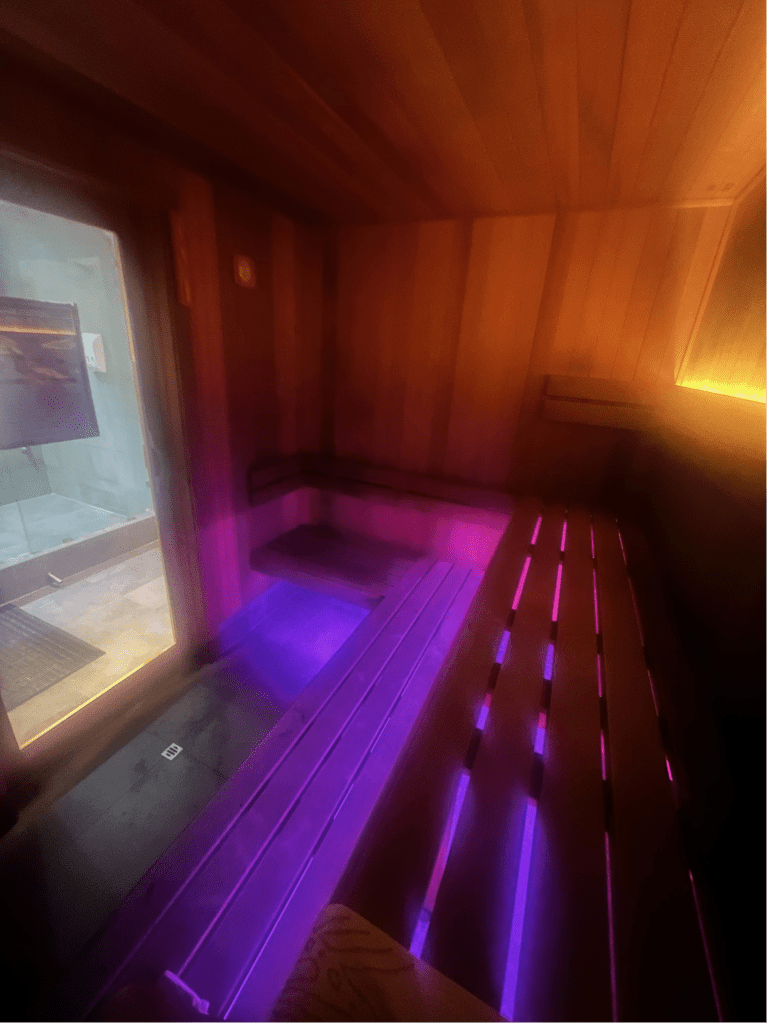
It’s something I’ve touched on before. My daily self-care routine habit. Every day that I can, I religiously stop by my gym on the way home, and utilise their recovery facilities—in particular; the sauna and ice bath (or cold plunge).
It’s my way of regulating my central nervous system, bringing my body from a state of heightened sense, the stresses of a mentally demanding job where targets are constantly moving, to a place of rest and relaxation. It allows my soul to recharge.
No two afternoons look the same. Sometimes I see the same faces. Often I see new faces. I’ve built relationships with some of these faces. Once in a blue moon I might even see an old soulmate. Sometimes I will spend the entire time sharing life updates. Sometimes I will spend the session in silence. Some prefer silence. Others prefer a good yap.
One thing I have noticed is how few and far between the information shared on the hot and cold therapy is. Some say it is better to ice bath before a workout, others say it is better to finish in the sauna. Some simply say there are no real benefits to either, and that it’s all a placebo effect.
So in this week’s entry of The Integrated Masculine, I took a dive into researching my own information, and thought it would be beneficial for myself to actually understand the science behind my daily rituals, and debunk a few common misconceptions along the way.
Why should you jump in a sauna?
Saunas are more than just a place to sweat—they offer a range of scientifically backed health benefits. Here are some reasons why you should incorporate sauna sessions into your routine:
1. Detoxification through sweating: One of the biggest perks of sitting in a sauna is the ability to sweat out toxins. While the liver and kidneys are your body’s primary detox organs, sweating helps expel heavy metals and other impurities through your bodies largest organ—the skin.
2. Improved blood circulation: Heat exposure causes blood vessels to expand, improving circulation. This process delivers more oxygen and nutrients to tissues while aiding in the removal of waste products.
3. Reduced muscle soreness & recovery: Athletes have long used saunas to speed up muscle recovery. The heat increases blood flow to sore areas, reducing lactic acid buildup and inflammation.
4. Cardiovascular health boost: Regular sauna use has been linked to a lower risk of cardiovascular diseases. A study in Finland found that frequent sauna users had a reduced risk of heart disease and stroke. As someone with a family history of heart disease—this really resonates with me!
5. Improved mental clarity & mood: Sauna sessions stimulate the release of endorphins and serotonin, making them a natural mood booster. They also promote relaxation and help combat symptoms of anxiety and depression.
6. Better skin health: The combination of heat and sweating opens up pores, flushes out toxins, and increases collagen production, leading to clearer and more youthful skin (and at my age—I need this!).
7. Immune system support: Exposure to high temperatures induces a mild fever-like state, which can strengthen the immune system by encouraging the production of white blood cells.
And of all things… WHY should you jump into an ice bath???!
On the opposite end of the spectrum, ice baths provide an equally powerful set of benefits. Here’s why plunging into icy water is worth that initial discomfort:
1. Reduced inflammation & muscle recovery: Cold therapy constricts blood vessels and decreases metabolic activity, reducing swelling and muscle soreness after intense exercise.
2. Boosted immune system: Regular cold exposure has been shown to increase white blood cell count and enhance immune function, making the body more resilient to infections.
3. Increased energy & mental alertness: Cold exposure triggers a rush of adrenaline and norepinephrine, leading to heightened alertness and improved cognitive function.
4. Improved mood & stress resilience: Ice baths activate the release of dopamine, helping reduce symptoms of depression and anxiety while improving stress tolerance.
5. Better sleep quality: Cold exposure can lower cortisol (read: stress) levels and regulate the nervous system, promoting deeper and more restorative sleep.
6. Enhanced fat burning: Cold exposure activates brown fat, which helps the body burn calories to generate heat. Over time, this can improve your metabolism!
7. Stronger nervous system adaptation: Regular cold exposure conditions the nervous system to better handle stress and temperature fluctuations, increasing overall resilience.
How long should you stay in a sauna or ice bath?
Let’s look how long you should aim to stay in both, and at the end of this entry—I’ll take you through my own personal timings!
Sauna duration
The sweet spot for a sauna session is typically between 15 to 20 minutes. If you’re new to saunas, start with shorter durations of 5-10 minutes and gradually work your way up. Anything beyond 30 minutes can lead to dehydration and dizziness.
Ice bath buration
For an ice bath, the general recommendation is between 2 to 5 minutes. Seasoned practitioners may push this to 10 minutes, but longer exposure increases the risk of hypothermia. If you’re a beginner, start with 30 seconds to 1 minute and slowly build tolerance.
Does the ice bath temperature make a difference?
Not all ice baths are created equal. The temperature you choose will influence your experience and benefits:
- 10°C (50°F): Great for beginners. Provides all the benefits of cold therapy without the extreme shock.
- 5°C (41°F): Considered the sweet spot for balancing cold exposure benefits with tolerability.
- 2°C (35°F): Reserved for the hardcore. This extreme temperature maximises metabolic and nervous system benefits but requires serious mental resilience.
The colder the water, the stronger the physiological shock—meaning a faster adrenaline rush, greater dopamine release, and more intense adaptation.
Traditional sauna vs. infrared sauna vs. steam room
At my gym, we have both traditional and infrared saunas, and often people discuss their preference without really knowing why they are different. Sometimes you may also come across a steam room. Let’s go through each of the heat therapy types:
Traditional sauna
- Heated with wood, electricity, or gas.
- Air temperature ranges from 70°C to 100°C (158°F to 212°F).
- Relies on dry heat with occasional steam from water poured on hot stones.
Infrared sauna
- Uses infrared lamps to heat the body directly.
- Operates at a lower temperature, around 45°C to 65°C (113°F to 149°F).
- Penetrates deeper into tissues, making it ideal for those sensitive to extreme heat.
Steam room
- Uses moist heat with nearly 100% humidity.
- Operates at lower temperatures than saunas (40°C to 50°C / 104°F to 122°F).
- Great for respiratory benefits and opening up airways.
Each method has its own benefits, so it ultimately comes down to personal preference and how your body responds to heat exposure.
Some of the misinformation I hear about sauna & ice baths
I’m sure there are people all over the world that see or hear something, and then take it as gospel. Some of the statements I hear in the sauna from time to time are wild. Let’s clear the air on some of these tall tales!
1. “Saunas & ice baths are just for athletes”
Reality: While athletes benefit greatly from these therapies, they are useful for anyone looking to improve overall health, circulation, and stress management.
2. “Sweating in the sauna means I’m losing weight”
Reality: While saunas can cause temporary water weight loss through sweating, they don’t directly burn fat. Sustainable weight loss comes from diet and exercise.
3. “Ice baths are only for injured people”
Reality: While reducing soreness is a primary benefit, ice baths also improve immune function, mental resilience, and metabolic health.
4. “Regular sauna sessions can substitute exercise”
Reality: While saunas can mimic some cardiovascular benefits of exercise, they should complement, not replace, an active lifestyle.
5. “Ice baths are dangerous”
Reality: Ice baths are safe for most people when done correctly, but those with heart conditions should consult a doctor before trying them.
6. “There’s no point in short sauna sessions”
Reality: Staying in a sauna too long can lead to dehydration and overheating. A 15–20 minute session is generally optimal.
7. “Ice baths will make you sick”
Reality: While they feel extreme, regular cold exposure has been shown to strengthen the immune system rather than weaken it.
8. “You should jump straight from a sauna into an ice bath”
Reality: While contrast therapy is beneficial, transitioning too quickly can be a shock to the body. It’s best to take a short break before switching.
9. “Saunas dehydrate people”
Reality: While saunas increase sweating, proper hydration before and after prevents dehydration.
10. “Ice baths aren’t effective if they’re not cold enough”
Reality: Extreme cold isn’t necessary. Even water temperatures around 10–15°C (50–59°F) provide significant benefits without excessive discomfort.
My own routine
In prepping for one of my next personal challenges—Hyrox—hot and cold therapy has evolved from something I do for mental wellbeing into a key part of how I give my body its best chance to recover before putting it through the wringer again.
If you want to try out my recovery session, here’s what it looks like:
- Start in the sauna: 10 minutes
- Switch to the ice bath: 8 minutes
- Back to the sauna: 15 minutes
- Final ice bath: 5 minutes (submerge to the chin)
- Finish in the sauna: ~20 minutes
To stop your legs from acclimatising in the cold, I kick them every two minutes—just twenty seconds, using my arms to support my body. It keeps that cold shock working its magic.
In the sauna, attempt to practice breathwork. I prefer to box-breathe, breathing in for four, hold for four, out for four. It pulls your focus away from the heat and back into the body.
Same principle applies in the ice bath. When I see someone struggling to stay in the water, I remind them: the pain isn’t damage—it’s just discomfort. Nerves firing off signals to the brain. If you can breathe through that initial resistance, you’ll shift your focus and gain control over your experience.
Once you break past that mental barrier, you’re on your way to developing a mindset that doesn’t break—not just in the ice, but in life.
By combining these rituals with knowledge and intention, you’re not just chilling or sweating—you’re building resilience, discipline, and long-term vitality.
So, are you ready to sauna & chill?
– TIM
 The Integrated Masculine
Leave a comment