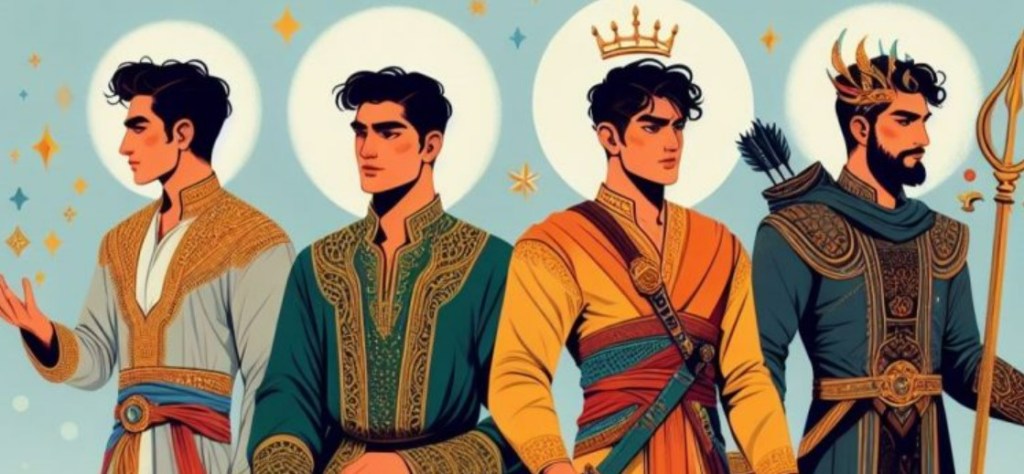
I’ve been thinking lately about what kind of men I surround myself with. Each of my guy friends embody their own varying types of masculinity. But on a broader level, I found that they fit into one, or maybe a few different archetypes of masculinity.
Before writing this entry, I’ll admit—I didn’t even know half of the archetypes we’re about to dive into. I’d heard of a few, but I thought they were just personality types. Turns out, there is a difference.
A personality is unique to an individual—your specific traits, habits, quirks.
An archetype, on the other hand, is a universal model that represents a common human role or experience. Archetypes can shape or influence personality, but they’re not the same thing.
The modern archetypes of masculinity
Modern male archetypes are often a blend of ancient influence and current culture, representing a wide range of qualities and behaviours. Let’s take a look at some of the most commonly recognised ones:
The King
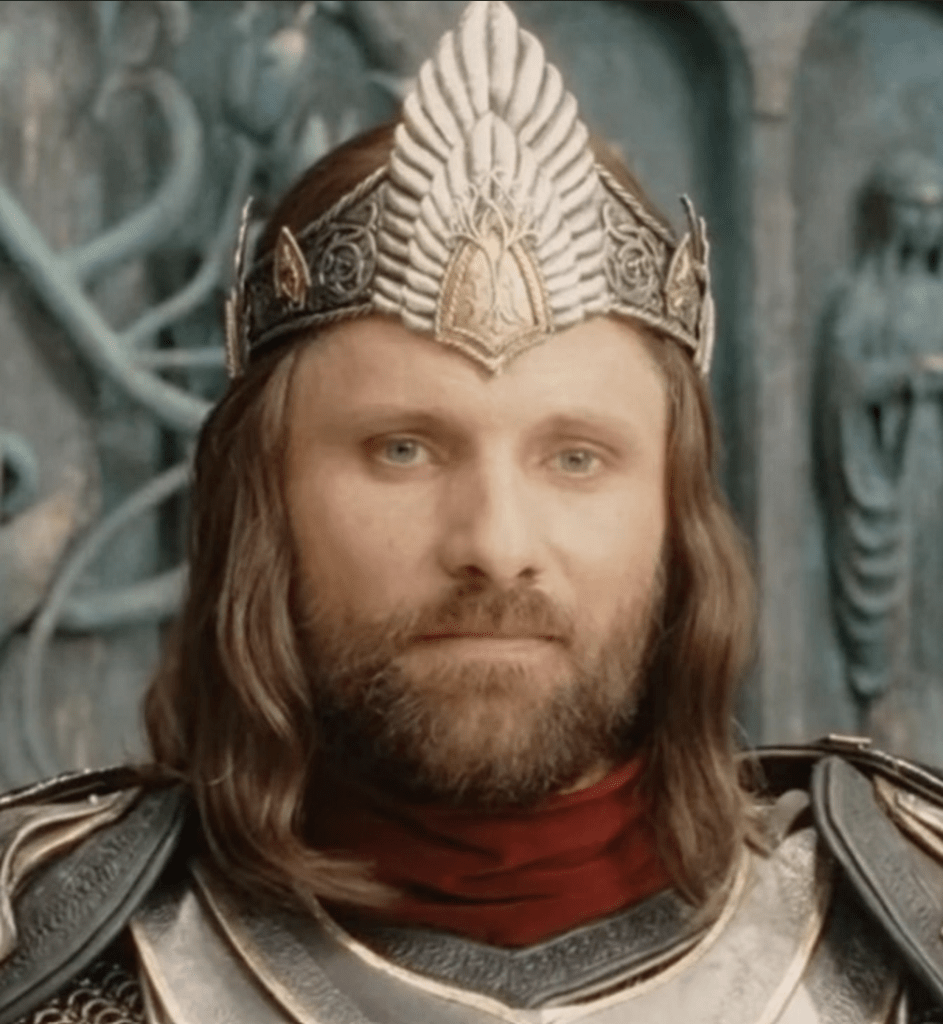
The King archetype shows up in pop culture through characters like Mufasa in The Lion King, Aragorn in Lord of the Rings, or even T’Challa in Black Panther—men who rule with a blend of strength and compassion.
The King portrays masculinity through structure, accountability, and a deep sense of purpose. His strength is his ability to create order and offer protection. His weakness? When overextended or ego-driven, he can become controlling or detached.
In a relationship, the King is a provider and protector—offering stability, but he must be careful not to lead with superiority or expect loyalty without emotional intimacy.
- Qualities: Leadership, responsibility, stability, vision.
- Behaviours: Making decisions for the greater good, providing for others, maintaining structure.
- Example: A CEO who leads with clarity and prioritises the well-being of their team.
The Warrior
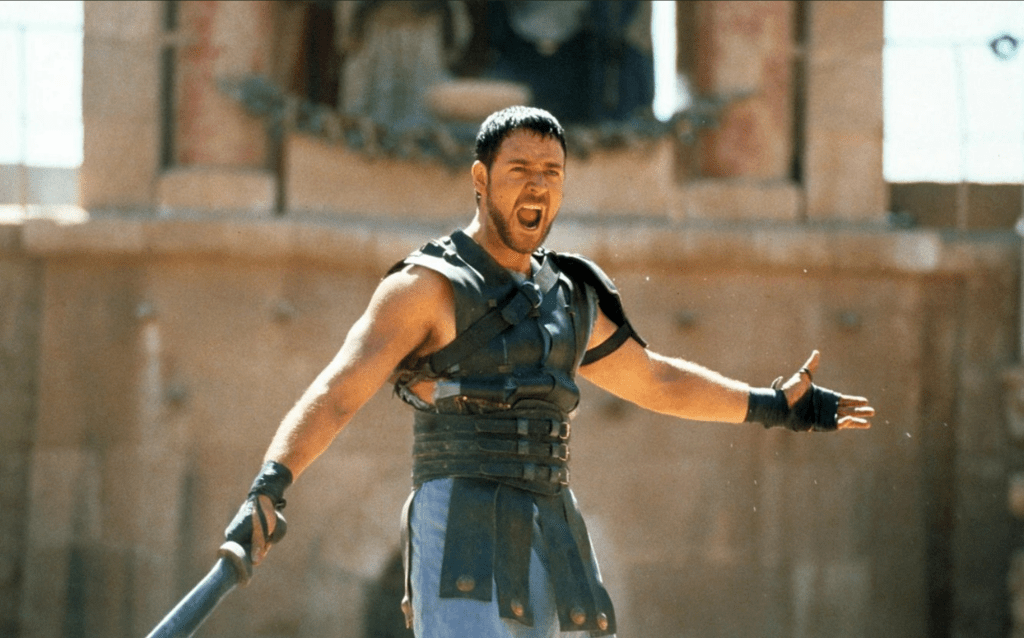
Think of Maximus from Gladiator, or even modern-day action heroes like John Wick. The Warrior lives to face the challenge, driven by a clear sense of mission and inner discipline.
Masculinity here is expressed through courage, physicality, and endurance. The strength of the Warrior is his ability to protect and persevere. His weakness lies in emotional suppression—he can push people away in his tunnel vision.
In a relationship, the Warrior brings loyalty and action, but he may struggle with vulnerability and emotional attunement unless he’s done inner work.
- Qualities: Courage, discipline, resilience.
- Behaviours: Standing up for others, taking risks, pushing through fear.
- Example: A firefighter rushing into danger to save lives.
The Magician
You’ll recognise the Magician in characters like Albus Dumbledore, Professor X, or even Tony Stark when he’s in problem-solving mode.
The Magician embodies a cerebral kind of masculinity—one rooted in wisdom, vision, and inner transformation. His strength is his ability to see the unseen and create solutions where none exist. His weakness is aloofness or manipulation when his power goes unchecked.
In a relationship, the Magician can be a spiritual and intellectual partner, opening new worlds of thought and insight. But he may need to be reminded to come back down to earth and connect emotionally.
- Qualities: Curiosity, intellect, intuition.
- Behaviours: Solving complex problems, using creative insight, thinking outside the box.
- Example: A scientist who redefines what’s possible.

The Lover
From characters like Noah in The Notebook to Paul Atreides in Dune or even artists like Prince or Frank Ocean in real life, the Lover archetype shows up in men who feel deeply, love boldly, and live in colour.
Masculinity here isn’t about control or conquest—it’s about emotional depth and connection. His strength is his openness and sensuality. His weakness is losing himself in others, or emotional volatility.
In a relationship, the Lover brings presence, intimacy, and passion, but needs to watch for codependence or over-romanticising the dynamic.
- Qualities: Emotion, sensuality, empathy.
- Behaviours: Expressing affection, connecting deeply, creating or appreciating art.
- Example: An artist who moves people with their work.

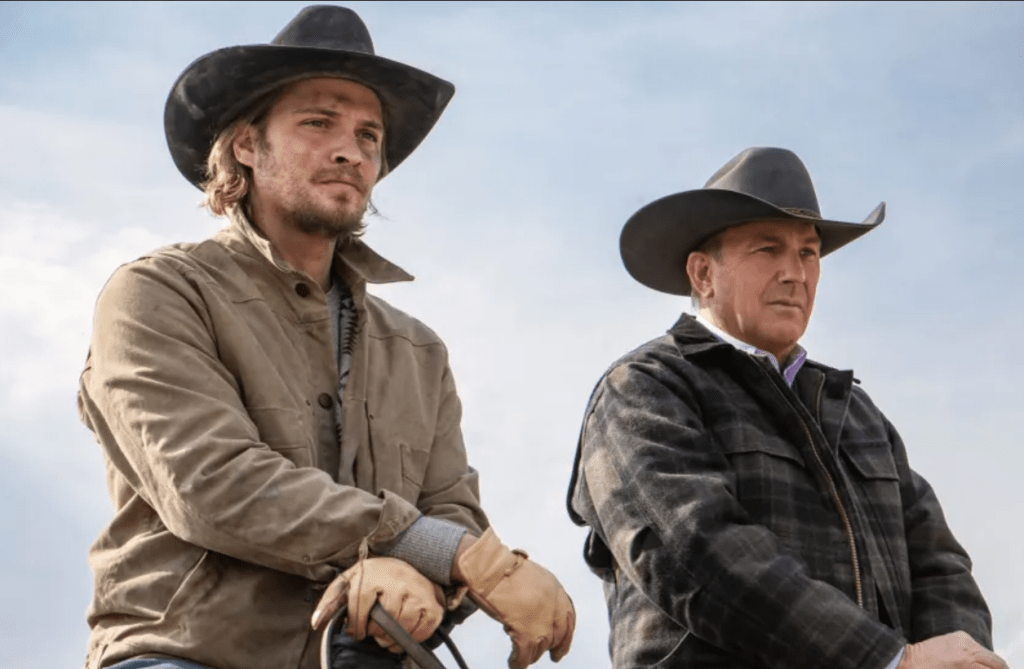
The Cowboy
The Cowboy shows up in iconic figures like Clint Eastwood’s Man with No Name, Han Solo, or modern anti-heroes like Tommy Shelby in Peaky Blinders.
He embodies a rugged, rebellious masculinity—one that thrives on freedom and risk. His strength is independence. His weakness is isolation or avoidance of responsibility.
In a relationship, the Cowboy can be exciting, mysterious, and intoxicating—but may struggle with commitment or emotional openness unless he learns to trust.
- Qualities: Self-reliance, boldness, freedom.
- Behaviours: Exploring the unknown, breaking new ground, trusting gut instincts.
- Example: An entrepreneur in a brand-new market.
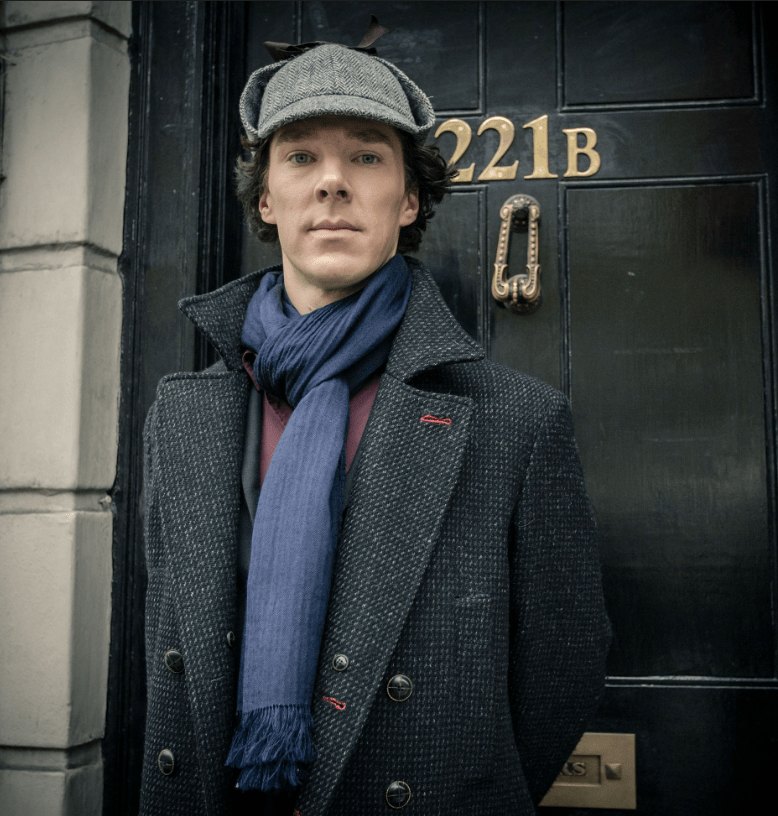
The Intellectual
Think of Sherlock Holmes, Tyrion Lannister, or even fictional podcasters and writers in indie films.
The Intellectual brings logic, curiosity, and thoughtful masculinity into the picture. His strength is his depth of knowledge and ability to observe and understand complex things. His weakness is overthinking and analysis paralysis.
In relationships, he’s often a great communicator and values stimulating conversation, but he may intellectualise emotions instead of feeling them—which can make emotional connection harder unless he chooses presence over performance.
- Qualities: Intelligence, reflection, open-mindedness.
- Behaviours: Engaging in philosophical debates, questioning assumptions, learning endlessly.
- Example: A professor who lives for long conversations over coffee.
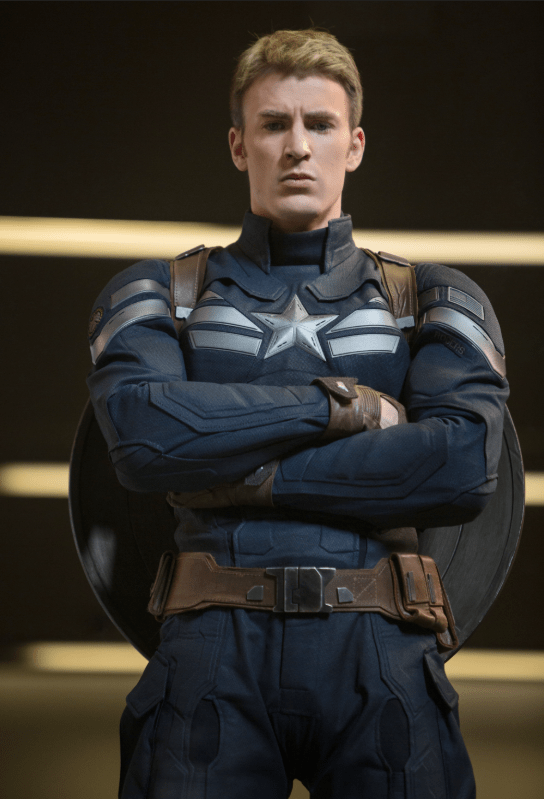
The Alpha
The Alpha is the quintessential leader in high-pressure settings. Characters like Harvey Specter from Suits, Steve Rogers in Avengers, or even real-life figures like Elon Musk embody this take-charge energy.
Masculinity here is displayed through dominance, charisma, and power. The Alpha’s strength is his ability to inspire and lead. His weakness is a tendency toward arrogance or dismissiveness.
In a relationship, he can be magnetic and confident, but may need to soften into vulnerability and make space for his partner’s voice, or he risks steamrolling the connection.
- Qualities: Assertiveness, charisma, leadership.
- Behaviours: Leading groups, commanding presence, making quick decisions.
- Example: A team captain rallying the squad to victory.
The Beta
The Beta is often underappreciated in pop culture, but you’ll see him in characters like Jim from The Office, Samwise Gamgee from Lord of the Rings, or Ben Wyatt from Parks and Rec.
He expresses masculinity through humility, supportiveness, and emotional availability. His strength is his emotional intelligence and ability to prioritise connection. His weakness is passivity or avoiding conflict.
In a relationship, the Beta shows up with care, dependability, and steady love—but he may need to work on setting boundaries and speaking up for his needs.
- Qualities: Humility, empathy, steadiness.
- Behaviours: Building harmony, uplifting others, managing conflict quietly.
- Example: A project manager making sure everyone’s voice is heard.

Can you be more than one?
Absolutely. Most of us shift between these archetypes depending on the context we’re in or the phase of life we’re experiencing.
I first became aware of archetypes when someone told me I was a “King.” Naturally, I was flattered—especially coming from a woman deeply tuned into her own Divine Feminine. But in hindsight, I realised she was seeing a version of me that was aligned with the King in that moment. That wasn’t my only archetype, or even my dominant one across the board.
Someone might show up as a Warrior at work, a Lover at home, and an Intellectual when they’re alone with their books. We’re not fixed.
Changing over time
As we grow, break, rebuild, and evolve—so do the archetypes we lean into.
Think about someone you know. How have they shifted archetypes during big life changes—becoming a parent, losing a relationship, starting over?
We live, we grow, we change. The archetypes do too.
So where do I fit into all of this?
It depends.
When I’m writing this blog, I’m sitting deep in the Intellectual—reading, researching, reflecting, sharing.
At work, I lean more into the King, but I’ve noticed that a Trickster or Huntress on my team can pull me into the Alpha (sometimes productive, sometimes… not so much).
In my relationships, I aim to embody a mix—whatever’s needed to bring value while staying true to myself.
And when I’m not responsible for a small human, not responsible for big humans, and have time to serve myself? I’m a Cowboy all day—craving for adventures and risk in its many forms!
So what about you?
Which archetype feels like home right now? Have any shifted for you over time?
Do you believe there is an “ultimate” masculine man that embodies virtues from all of the archetypes? What would he look like to you?
Drop a comment—I’d love to hear where you’re at in your journey.
Thank you for reading another entry of The Integrated Masculine.
–TIM
 The Integrated Masculine
Leave a comment